Summer of 2026 found me going into the rabbit hole of CRT inputs and exploring the quality differences between:
- Composite (yellow, red/white)
- Component (red, green, blue, red/white)
- C-video (the the black input)
- Scart / rgb (primarily in European countries)
To give a little bit of background. As a child with my Playstation 2 and Nintendo 64, all I knew were about the yellow, red, and white cable. Maybe a large part of that was that our TV’s never had any of the fancier inputs.
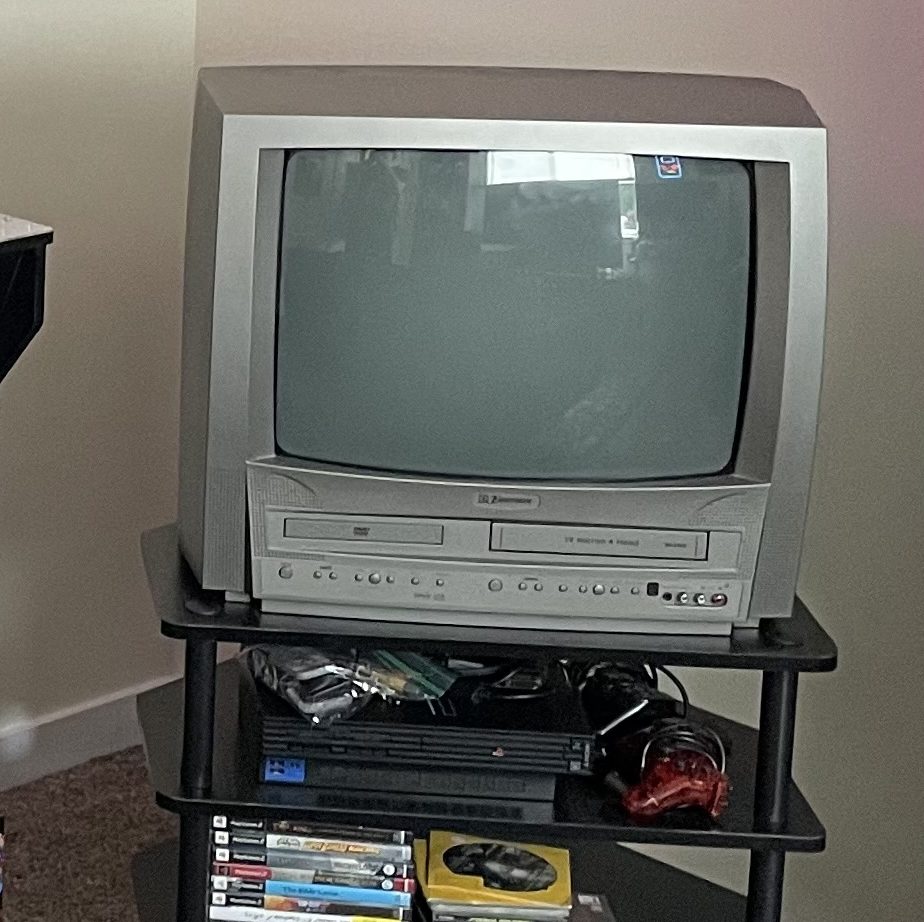
Fast forward to my 20’s, I got my first CRT as an adult in Norman, Oklahoma. It was an awesome 19 in 2003 Emerson TV that also had the VCR/DVD combo. I got this for only $20.00 on Facebook Marketplace back in 2022. This sent me into a never ending phase of collecting VHS tapes and playing my childhood consoles. I moved this TV from Texas to northern Michigan and sold it not too long into living here.
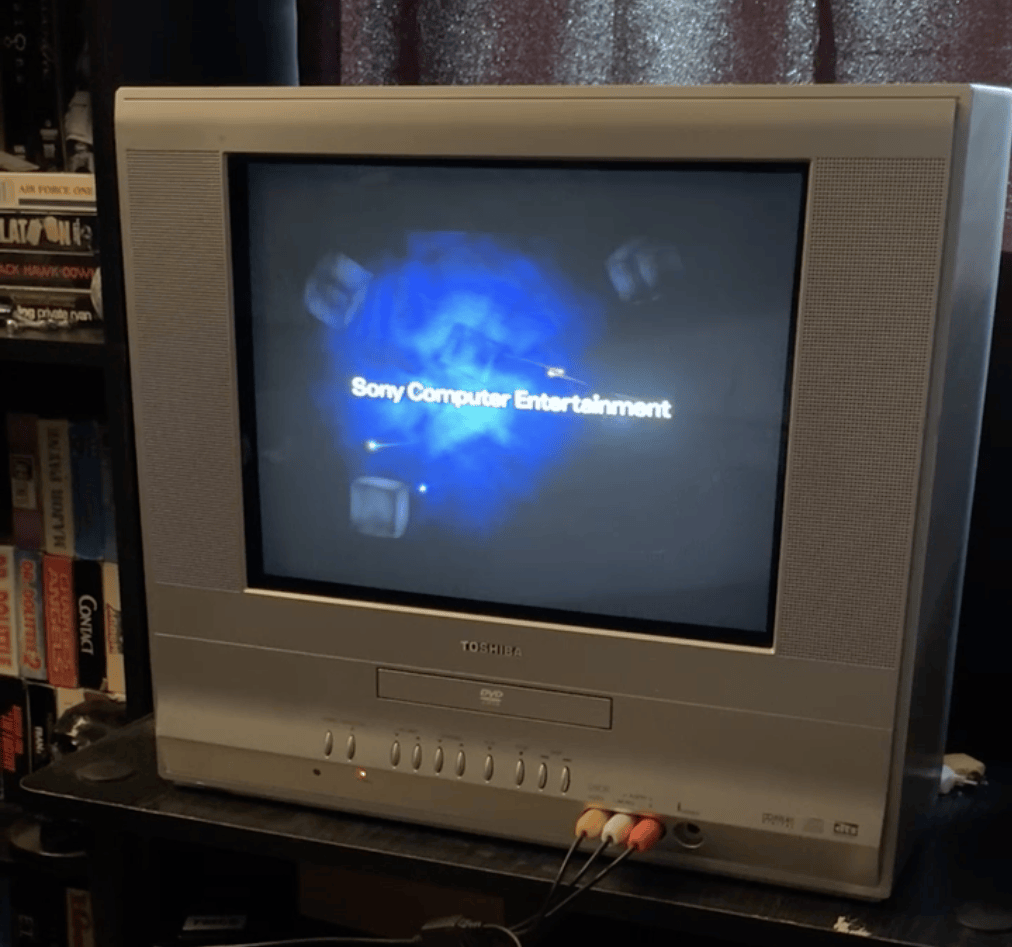
Eventually I came into possession of a FREE 14 in 2005 Toshiba flat screen CRT TV that replaced this. It has an awesome DVD player but yet again, only composite input.
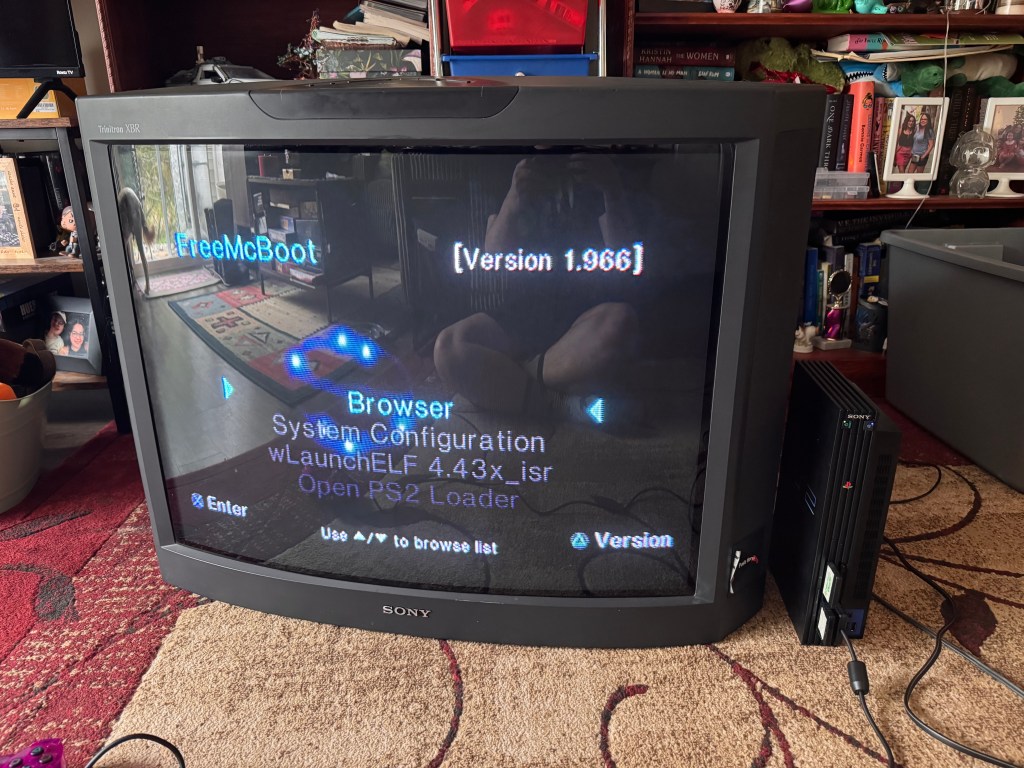
Right before my current set of tv’s, I briefly owned a huge 32 in Sony Trinitron I got for free. This one was such a beautiful TV but the sheer size of it stressed me out too much to keep it. It gave me my first exposure to what gaming looks like from s-video. It was the cleanest CRT gaming experience I had ever seen! All of the text on my Ps2 were super crisp and sharp.
The higher quality inputs seemed to be so evasive, especially for the smaller sized CRT TV’s. I learned about something called a PVM (professional video monitor) on Reddit, and realized how cool they were for playing video games! So then I did what I typically do, evaluate things I’ve collected that I’ve enjoyed, but was willing to part with to fund something new.
I purchased 2 ‘Not Tested’ PVMs online. One of these was a super small 8 in Sony PVM that had composite, s-video, component, and RGB. The other one was a 14 in model that only had composite and s-video. When I tested my Playstation 1/2 over RGB input into the 8 in Sony PVM, I was completely blown away. I immediately wanted that same picture on the larger 14 in PVM.
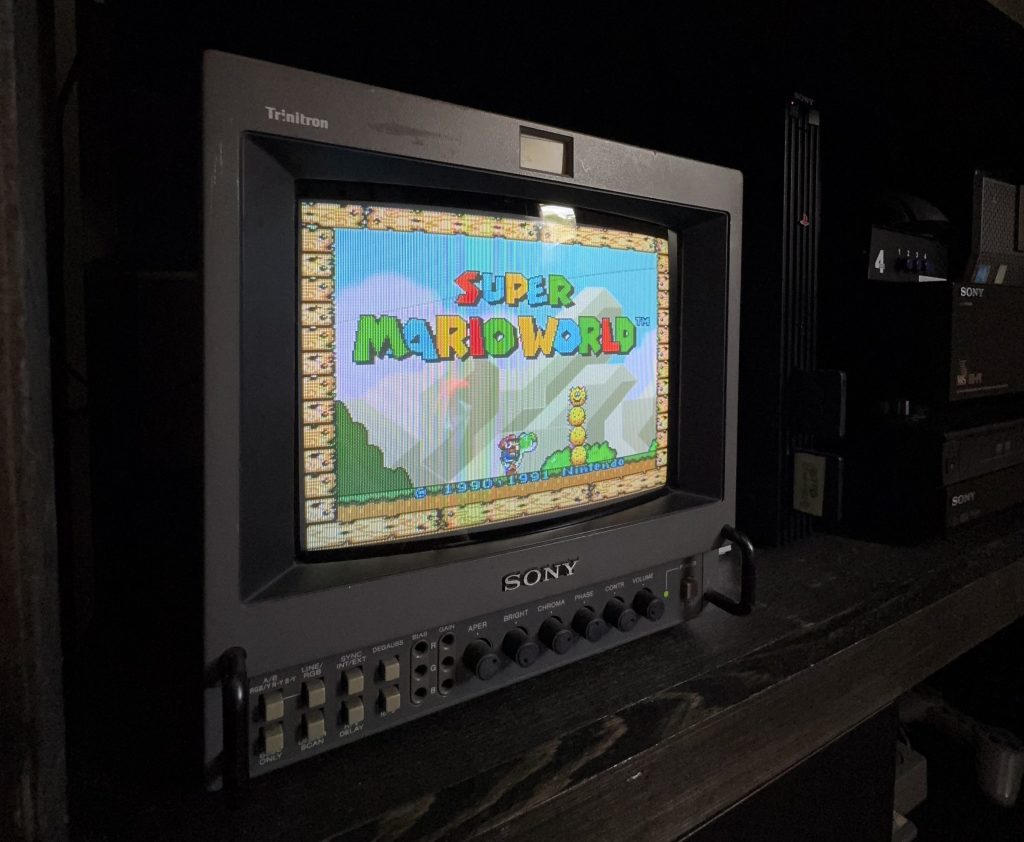

This brought me to my journey on modifying the 14n5u PVM to basically become its older sibling, the 14n6u (which had all of the inputs minus component). Thankfully this is well documented on GitHub with a parts list.
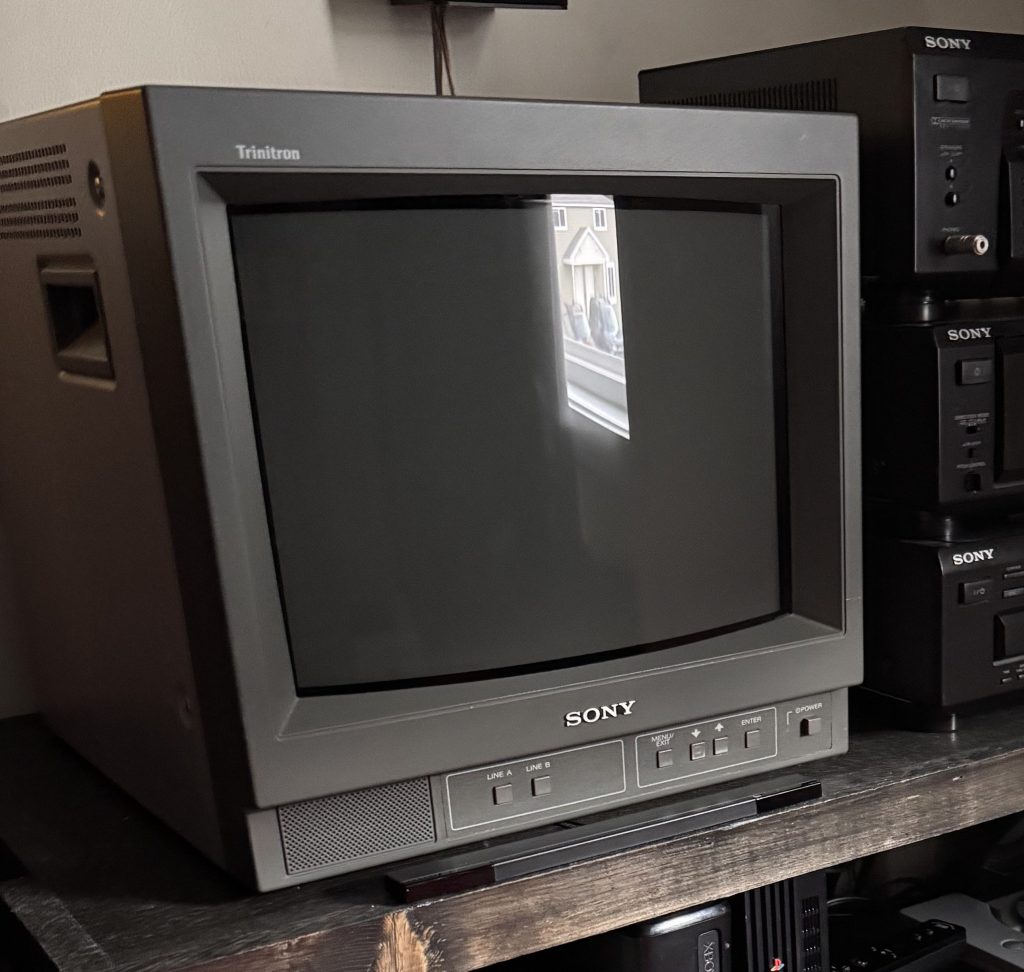
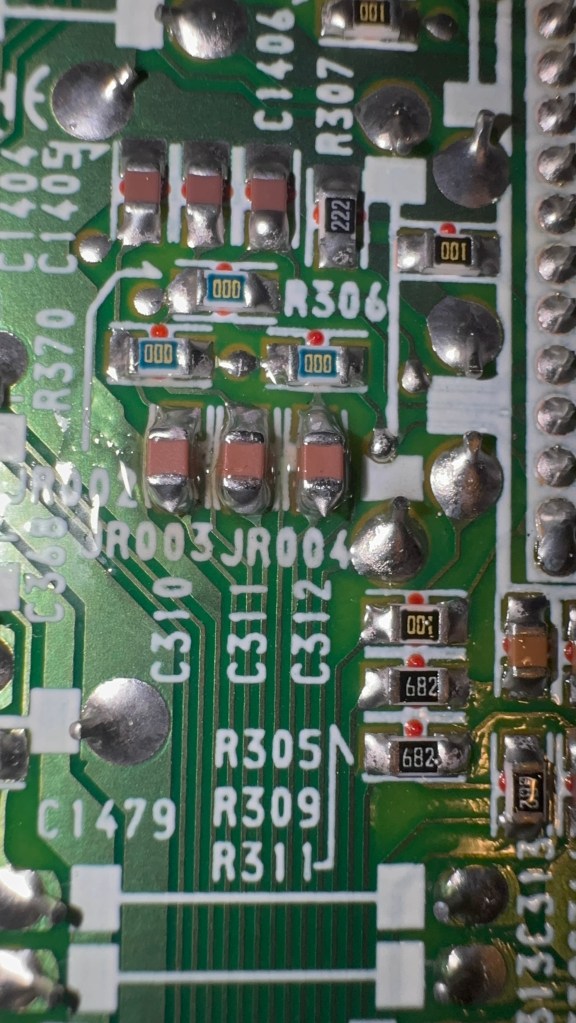
I purchased the varying different smd capacitors, resistors, buttons, and connectors online and awaiting anxiously for my first legit soldering project. Up to that point, the only bits of soldering I had done were LED model lights, an iPod classic battery mod, and a Playstation 1 PSNEE mod chip.
This was a 2 day process for me to attempt off and on. The first day I failed at getting it working. I was able to reverse my attempt to get it back to normal fortunately. It was a super fun project to tackle and I’m surprised I even got it working. I have everything color coordinated and neatly soldered with flux. To top it off I 3D printed a custom button make sure I could click my newly added input.
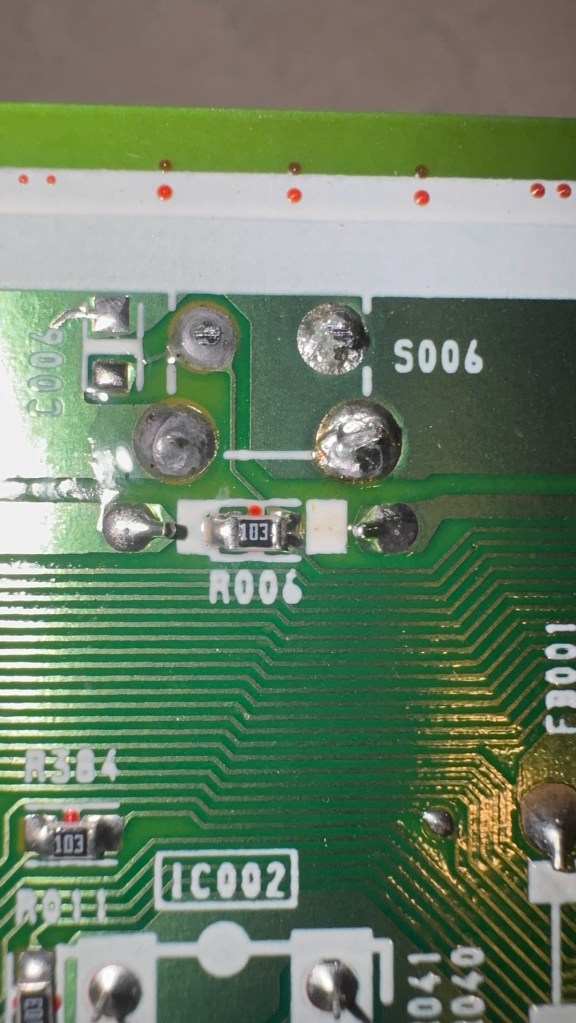
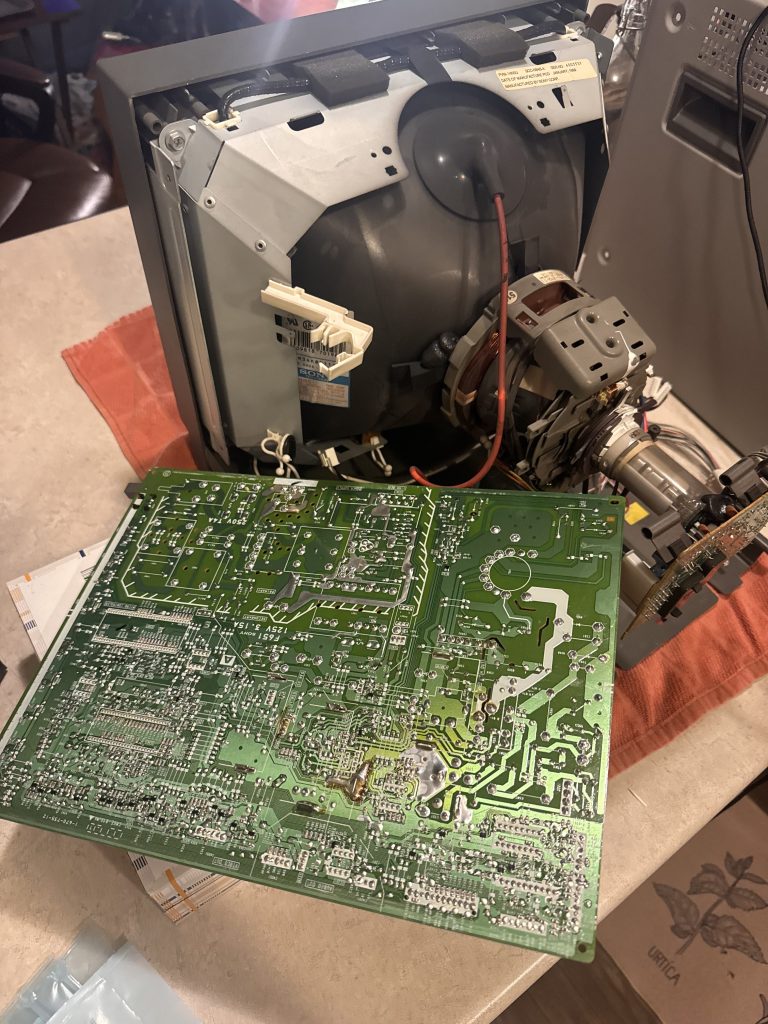
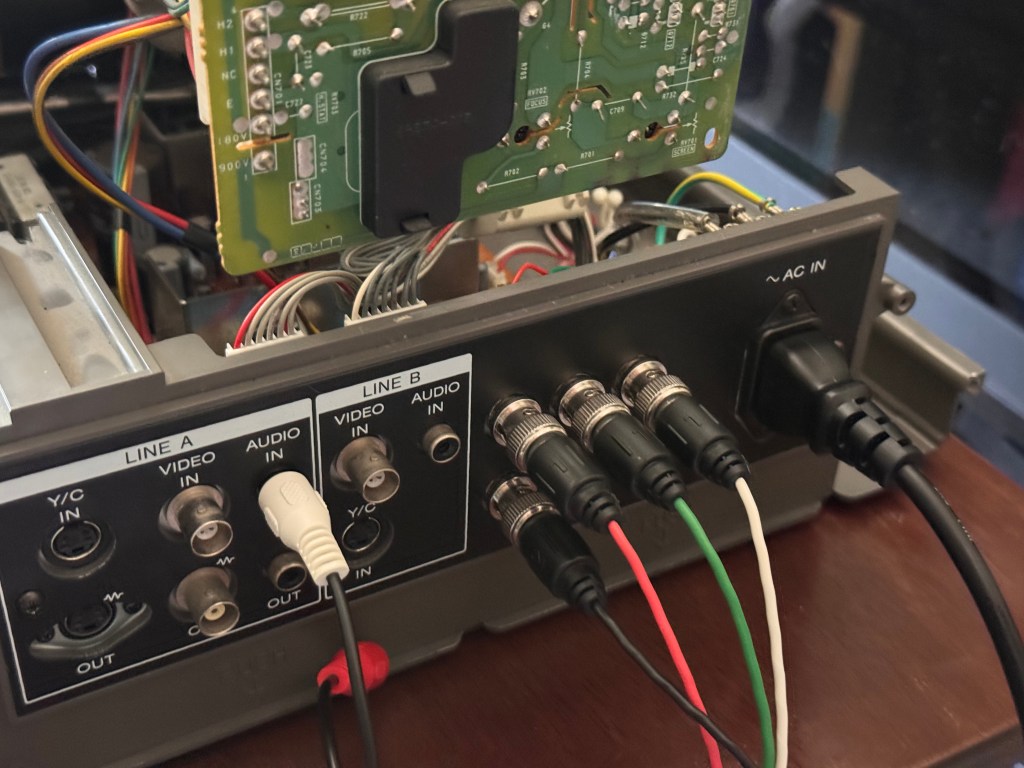
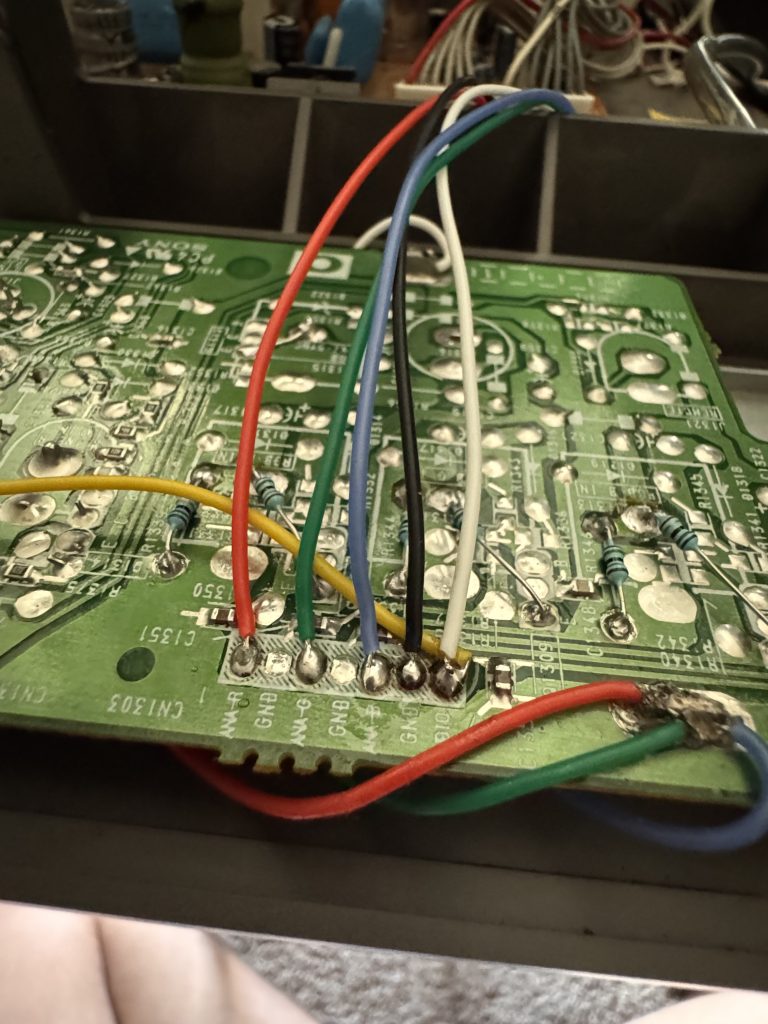
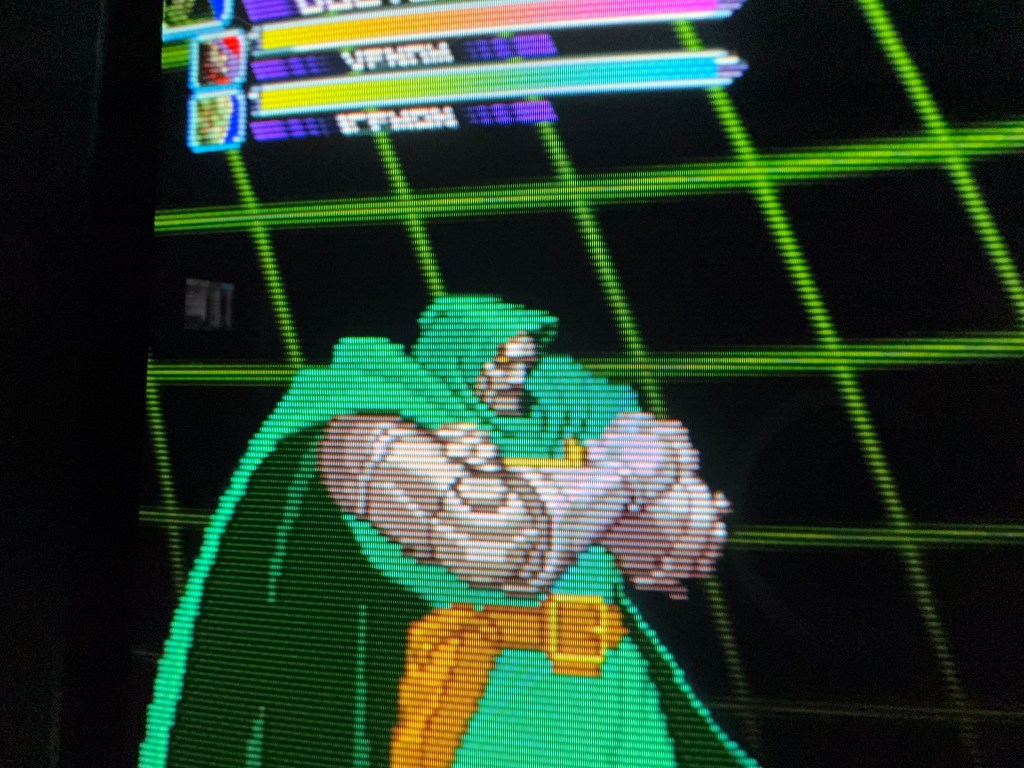
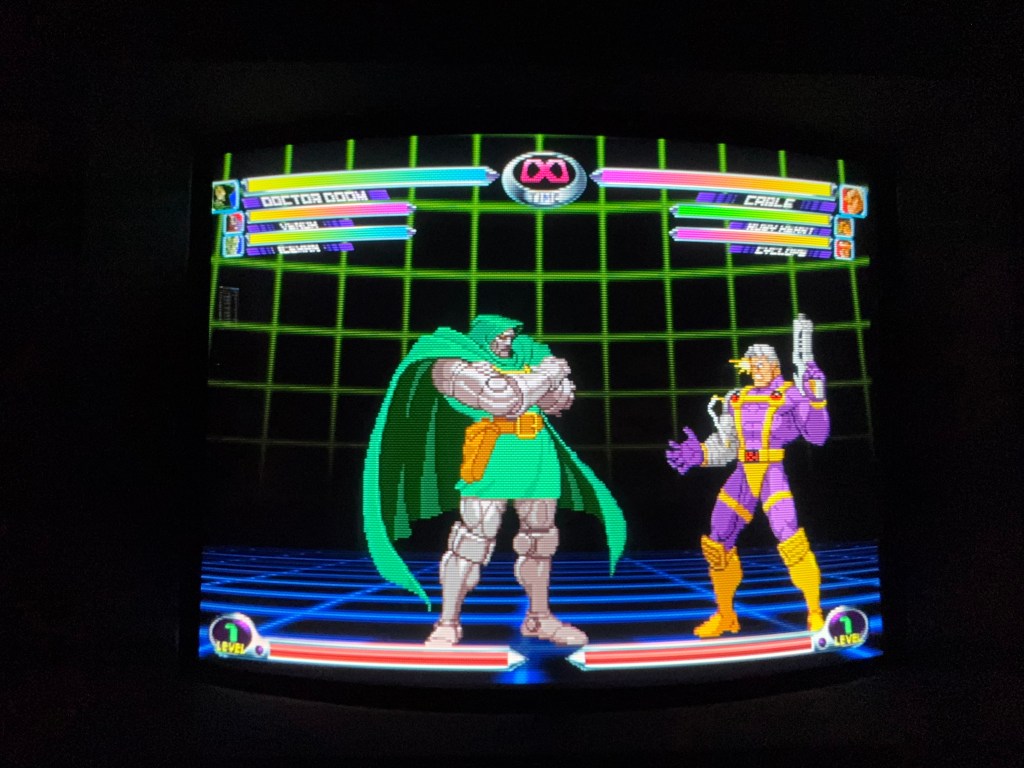
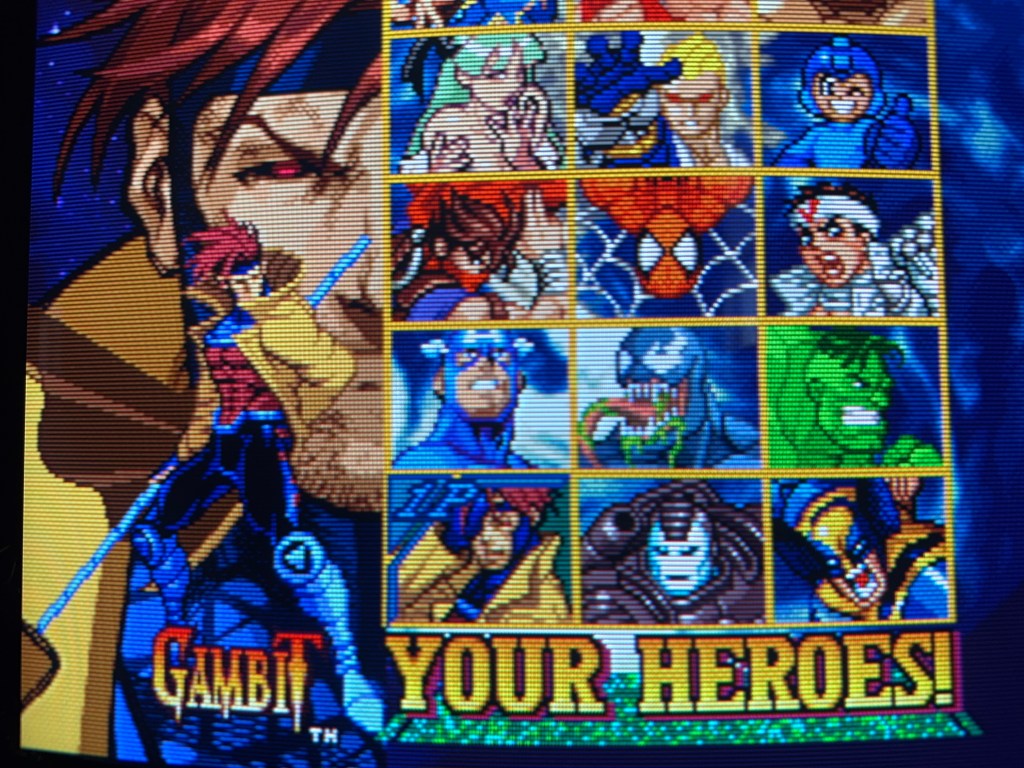
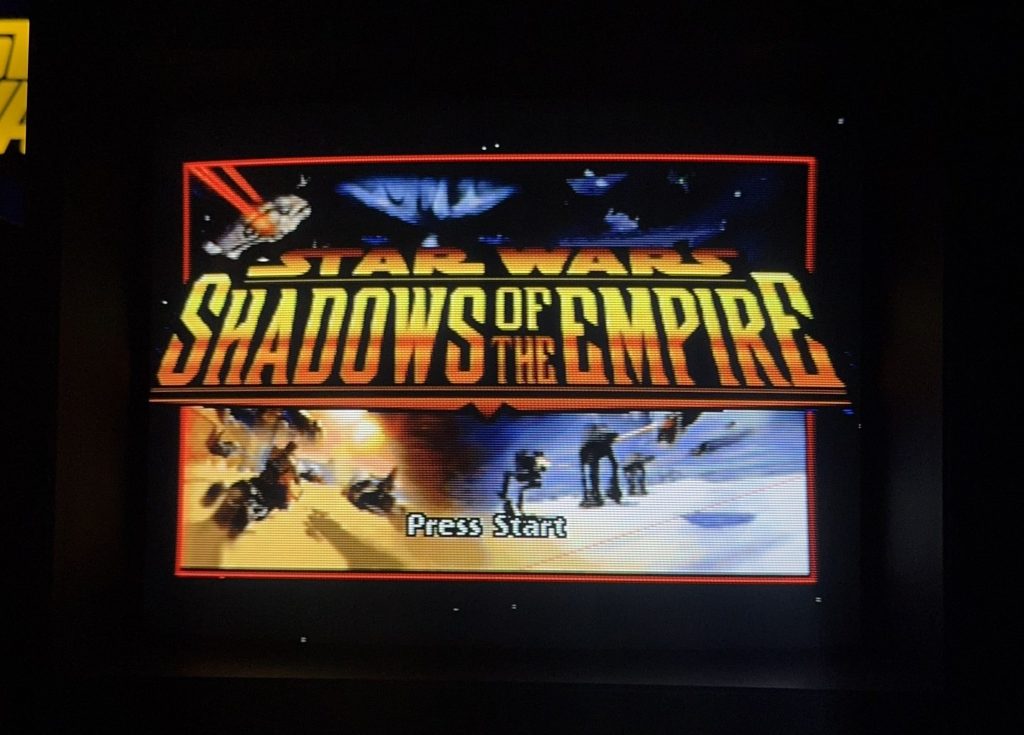
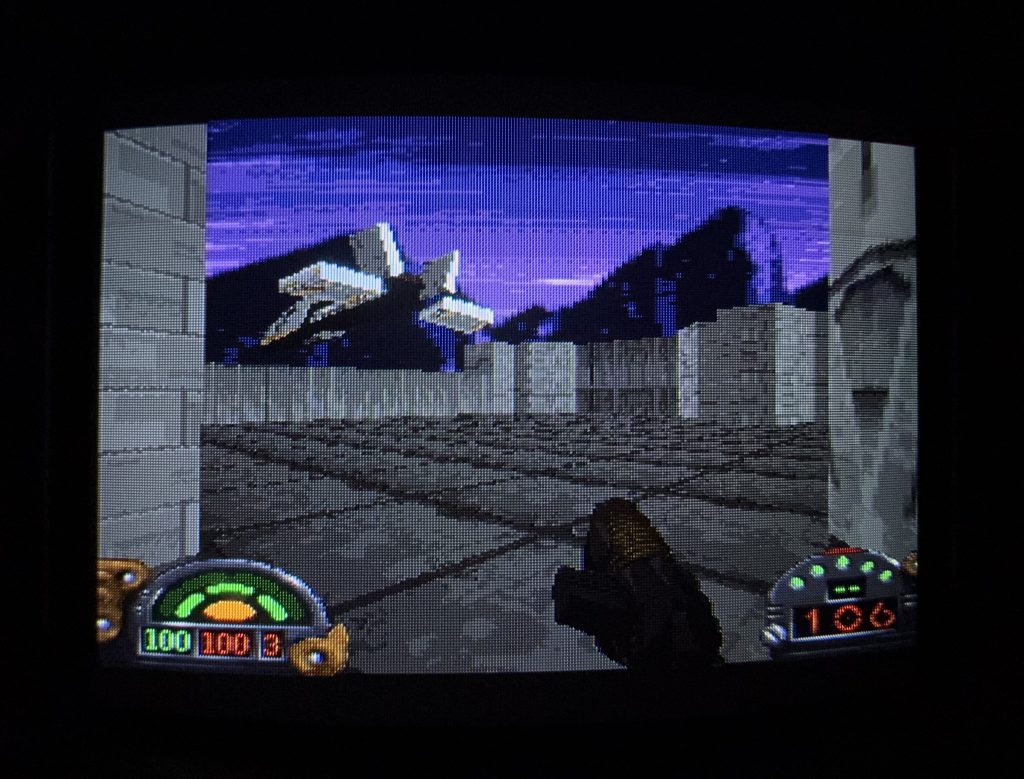
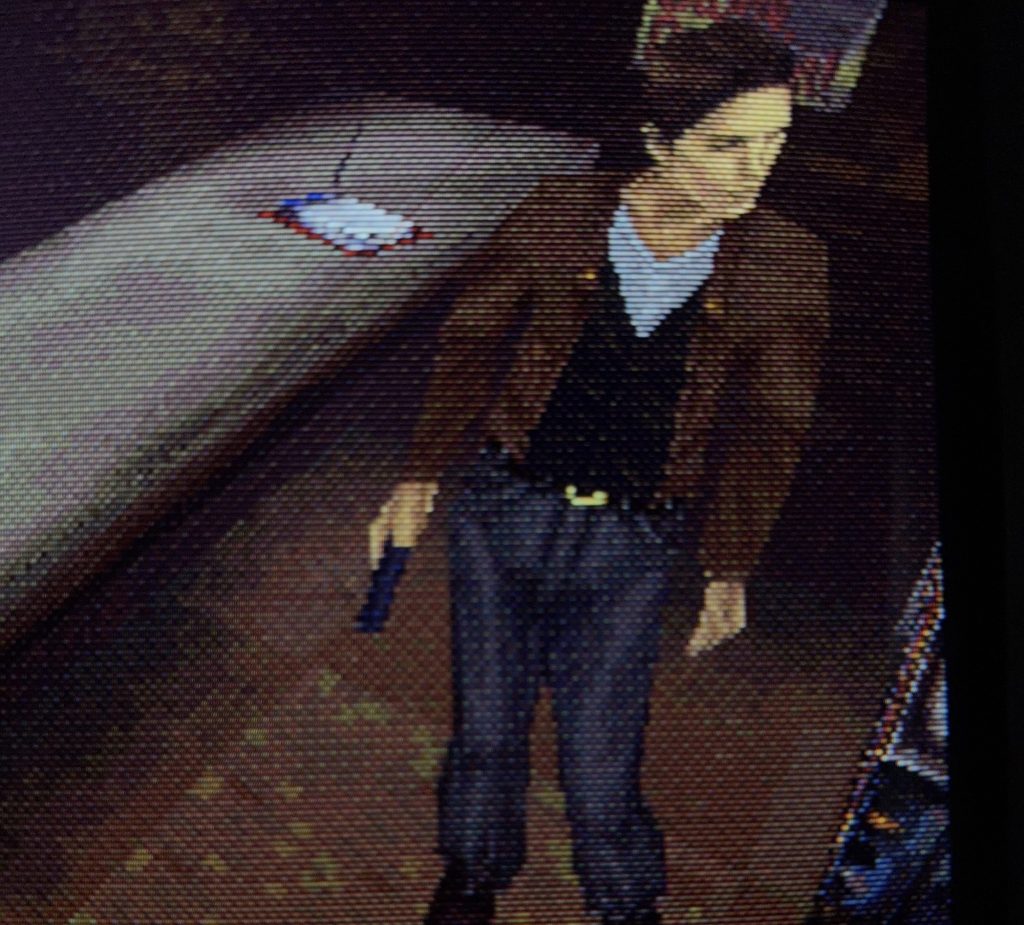
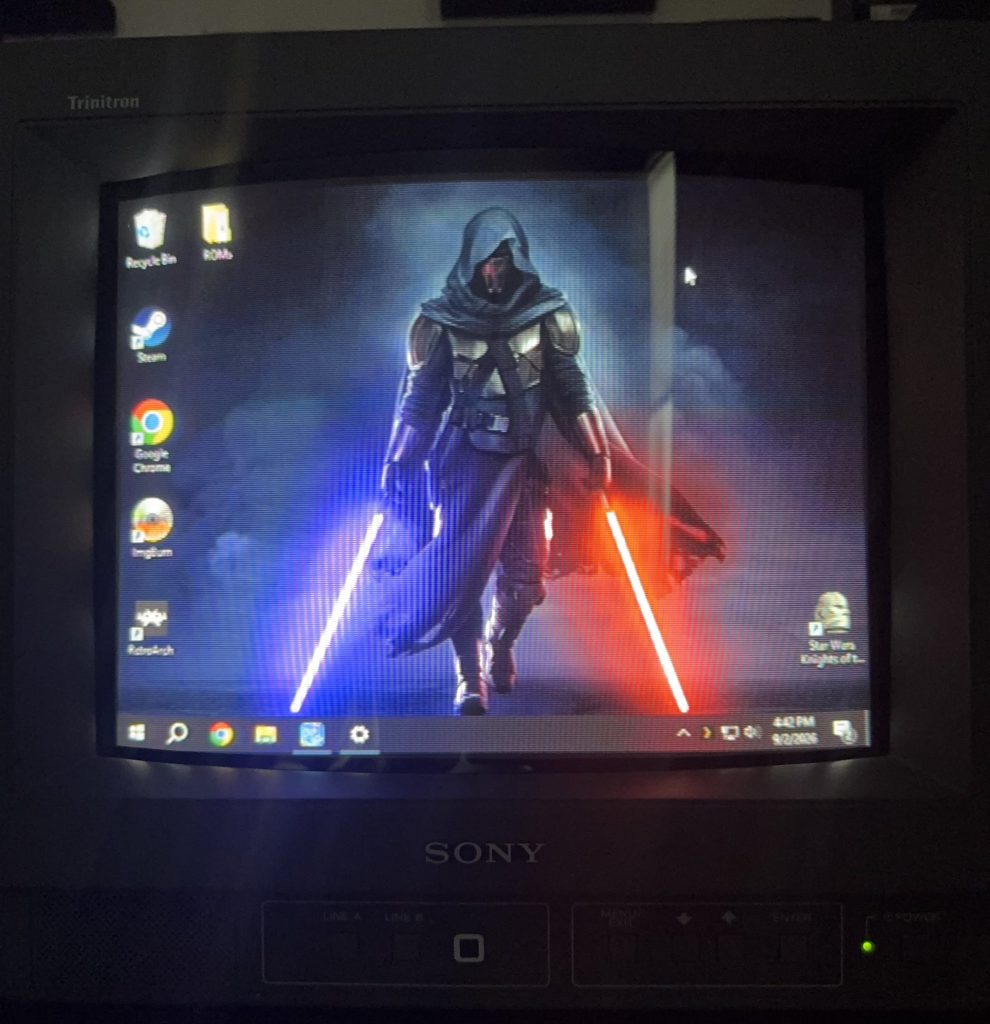
I’ve included plenty of images of the picture results of the outcome. If you are someone interested in exploring those higher quality inputs you didn’t get to enjoy as a child, go ahead and try it for yourself!
 A Static Feeling
Leave a comment